
RESIDENTIAL REHAB
PROFESSIONAL REHAB DOG TRAINING
Structured behavioural rehabilitation and obedience programmes designed around real-world results. Whether your dog struggles with reactivity, aggression, poor recall, over-arousal or a complete lack of structure, our residential programmes are built to create clarity, accountability and lasting change.
BEHAVIOURAL IMMERSION PROGRAMME Intensive rehabilitation for complex dogs.
Our Behavioural Immersion Programmes are designed for dogs requiring more than standard obedience training. These programmes provide intensive, structured rehabilitation for dogs presenting with complex behavioural challenges including aggression, severe reactivity, predatory behaviour, environmental instability, poor impulse control and unreliable recall. .Through structured daily living, controlled exposure, practical training and clear communication, we create meaningful behavioural change that transfers into real life.
WHO WE HELP
COMMON BEHAVIOURAL ISSUES WE WORK WITH
- Dog aggression
- Human aggression
- Reactivity
- Poor recall
- Pulling on lead
- Anxiety and over-arousal
- Resource guarding
- Poor impulse control
- Livestock chasing
- Environmental stress
- Lack of boundaries and structure
IDEAL FOR
- Busy owners
- Severe behaviour cases
- Dogs needing intensive structure
- Unreliable dogs
- Aggression cases
WHAT IS BEHAVIOURAL IMMERSION?
Rehabilitation, not just training.
Behavioural issues rarely exist in isolation. They are influenced by genetics, fulfilment, environment, reinforcement history, arousal levels, health and household structure. Our Behavioural Immersion Programmes are designed to address the whole dog, not simply suppress surface behaviours. This is not dog boarding. This is structured behavioural intervention.
Immersion in Practice Structured Days. Deliberate Outcomes. No two dogs follow identical rehabilitation plans. Each day is strategically built around the individual dog's behavioural profile, thresholds, needs and progression. Structure remains constant. The rehabilitation is tailored.
- MORNING
- Structured walk
- Obedience work
- Recall drills
- Neutrality exposure
- MIDDAY
- Rest and decompression
- Place command work
- Controlled social exposure
- Engagement exercises
- AFTERNOON
- Real-world training sessions
- Public exposure
- Lead manners
- Confidence building
- EVENING
- Calm decompression
- Crate settling
- Structured downtime
- Reinforcement of household expectations
DAILY STRUCTURE
A TYPICAL DAY IN RESIDENTIAL TRAINING
- MORNING
- Structured walk
- Obedience work
- Recall drills
- Neutrality exposure
- MIDDAY
- Rest and decompression
- Place command work
- Controlled social exposure
- Engagement exercises
- AFTERNOON
- Real-world training sessions
- Public exposure
- Lead manners
- Confidence building
- EVENING
- Calm decompression
- Crate settling
- Structured downtime
- Reinforcement of household expectations
THE PROCESS
HOW IT WORKS
- ASSESSMENT
- Every dog begins with a behavioural assessment to fully understand:
- Behaviour patterns
- Triggers
- Household issues
- Outcomes
- Risk factors
- STRUCTURED PROGRAMME
- A tailored rehabilitation and training programme is built around your dog’s needs.
- OWNER HANDOVER
- Owners receive detailed handover sessions to ensure progress continues at home.
- LIFETIME SUPPORT
- Ongoing guidance and support following completion of the programme.
WHAT OWNERS RECEIVE
FULL OWNER EDUCATION & SUPPORT
We believe owner education is just as important as dog training. Owners receive:
- Detailed handover sessions
- Training walkthroughs
- Homework plans
- Management protocols
- Recall systems
- Structured routines
- WhatsApp support
- Follow-up guidance
CASE STUDY PREVIEW
REAL REHABILITATION. REAL RESULTS.
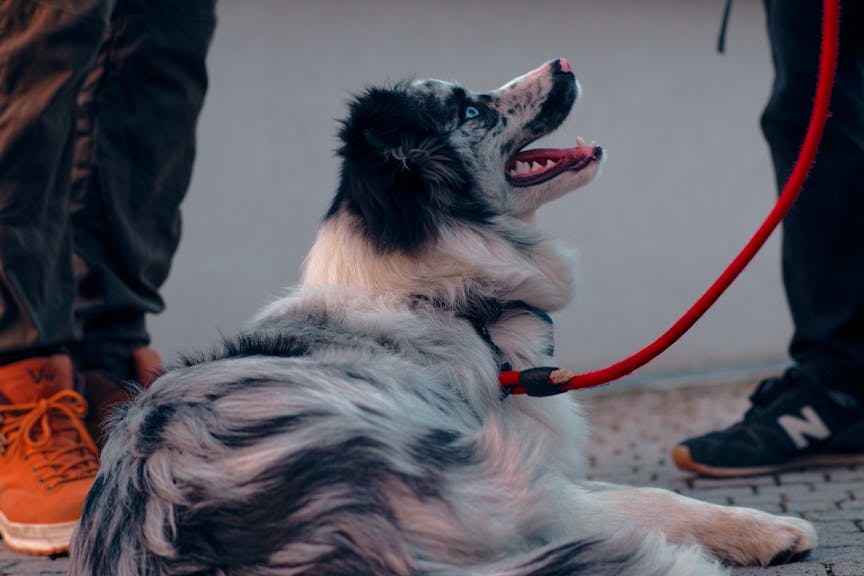
From severe reactivity to calm public neutrality. From behavioural instability to structured freedom.
- FEATURED DOGS
- Rex
- Blue
- Nova
- Bram
FAQ
FREQUENTLY ASKED QUESTIONS
How long do dogs stay for?
Programme length varies depending on behaviour, Outcome and severity of issues. Most rehabilitation programmes range between 4–6 weeks
Will my dog still be happy?
Absolutely. Our goal is not suppression — it is clarity, structure and improved quality of life.
Do you use e-collars?
Where appropriate and ethically suitable, we may incorporate e-collar conditioning as part of communication and accountability systems.
Will owners be involved?
Yes. Owner education is a huge part of long-term success.
WHAT IS BEHAVIOURAL IMMERSION?
Rehabilitation, not just training.
From severe reactivity to calm public neutrality. From behavioural instability to structured freedom.
- FEATURED DOGS
- Rex
- Blue
- Nova
- Bram
Complex Dogs Require Serious
Expertise Limited immersion spaces are available to maintain the highest standards of care, safety and behavioural rehabilitation. Button: Book Behavioural Audit